For those in survival mode and ready to rewire their nervous system for resilience.
THE STRESS RESPONSE RESET
A Therapeutic Yoga Class for Stress & Trauma Recovery
Discover how to restore your body’s natural state of regulation — and shift from survival mode into calm, resilience, and lasting well-being.
Monday, November 2, 2026 | 6:00 – 7:30 pm Pacific
Join us in person in San Diego — or live online from anywhere.



What's Really Happening in Your Body

Nothing Is Wrong With You
If you recognize yourself in either column, nothing is wrong with you.
Your nervous system is doing exactly what it was designed to do — protect you.
When you experience trauma or prolonged stress, your nervous system learns to stay alert to possible danger.
This survival response is incredibly intelligent. It helps you detect threats and react quickly when needed.
But over time, the system can become stuck in protection mode.

When Protection Becomes the Default
Instead of shifting in and out of stress naturally, your body begins to treat everyday life as if danger might still be present.
When that happens, the stress response becomes your default state.
Your nervous system stays prepared for threat — even when the danger has passed.

Think of Your Nervous System Like
a Volume Dial
When you are stuck in fight or flight, the volume is turned way up.
Everything feels louder, sharper, and more urgent.
When you are stuck in shutdown, the volume is turned way down.
Everything feels muted, heavy, and distant.
Regulation is not about eliminating these states.
It is about learning how to adjust the dial.

Your Nervous System Can Learn New Patterns
The good news is that your nervous system is capable of change.
Through neuroplasticity, your brain and nervous system can learn new patterns.
With the right practices, your body can begin to recover from stress more easily and return to a sense of balance.
Over time, calm, safety, and resilience can become your new baseline.


Why Willpower Alone Isn’t Enough
If you’ve tried to “think your way out” of stress or anxiety, you’re not alone.
Many approaches focus on changing thoughts, beliefs, or behaviors. While those tools can help, they often miss something essential:
Trauma and chronic stress live in the nervous system.
Your autonomic nervous system operates automatically, outside of conscious control. It constantly scans your environment for cues of safety or danger and adjusts your body’s responses accordingly.
When the nervous system perceives threat, it shifts into survival states such as:
- •Fight
- •Flight
- •Shutdown
These states are not decisions you make — they are automatic biological responses designed to keep you safe.
This is why trying to override these reactions with willpower alone can feel frustrating or impossible.
As trauma therapist Deb Dana explains: “Story follows state.”
In other words, your mind creates stories that match the state of your nervous system.
- •When your body feels threatened, your mind searches for evidence of danger.
- •When your body feels safe, your mind opens to curiosity, connection, and possibility.
Your thoughts are not just shaping your nervous system — your nervous system is also shaping your thoughts.
Trauma research has also shown that difficult experiences are not stored only as memories in the mind.
As Dr. Bessel van der Kolk writes in The Body Keeps the Score, trauma is held in the body — in patterns of tension, movement, breath, and nervous system activation.
Somatic trauma pioneer Peter Levine describes trauma as “energy that becomes trapped in the body around real or perceived threat.”
When the body does not have the opportunity to complete its natural stress responses, those patterns can remain active long after the original event has passed.
This is why insight alone is often not enough.
Healing requires working with the nervous system directly — helping the body release old survival patterns and learn new pathways of safety.
When the body experiences safety again, the mind begins to change naturally.
And that is when real regulation becomes possible.
INTRODUCING THE STRESS RESPONSE RESET!
If your nervous system has been living in survival mode, what it needs most is not more willpower — it needs the opportunity to learn safety again.

The Stress Response Reset is a 90-minute trauma-informed therapeutic yoga experience designed to help your body shift out of survival mode and return to its natural state of regulation.
This is not a traditional yoga class focused on performance or poses.

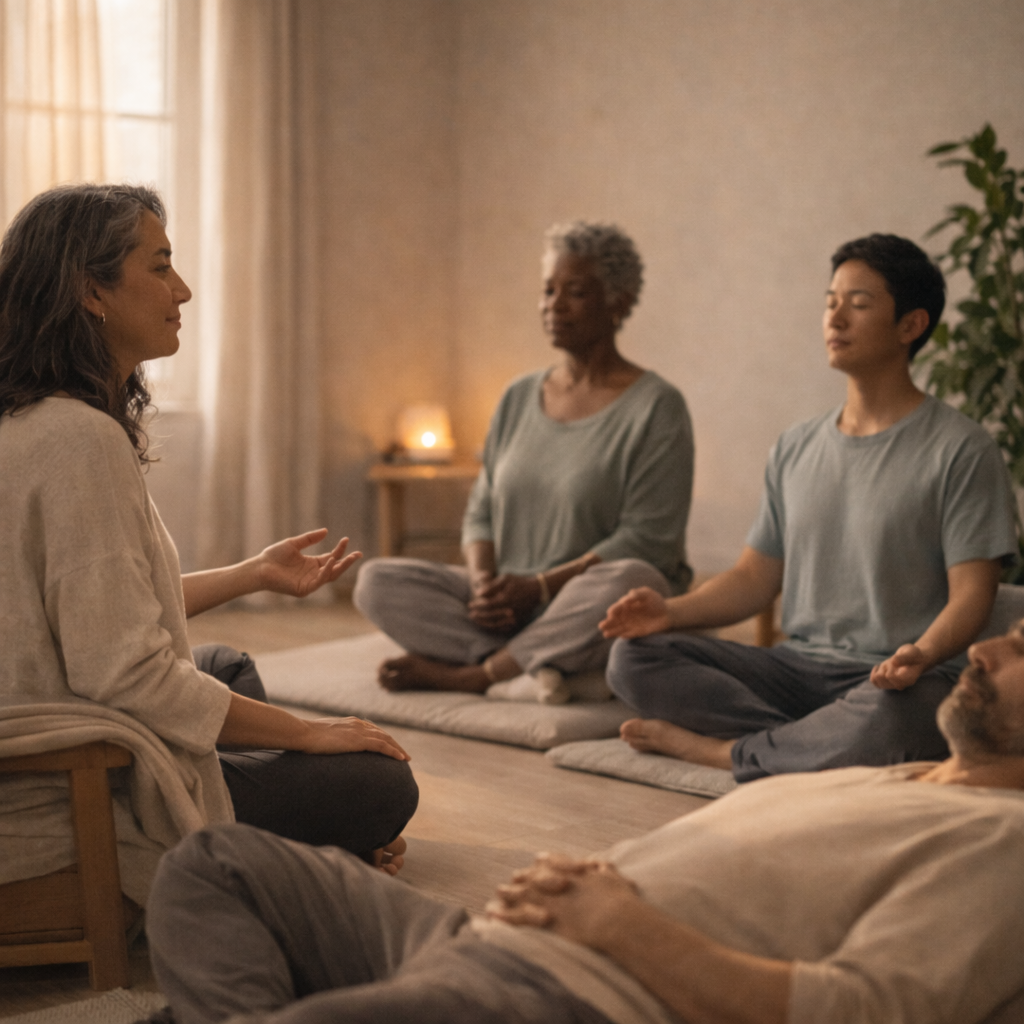
This 90-minute experience is carefully structured to help your nervous system shift out of survival mode and begin moving toward regulation and resilience.
Each element of the class is designed to support safety, awareness, and nervous system flexibility.
Rather than pushing the body or forcing calm, the experience gently guides your nervous system toward balance through a sequence of trauma-informed practices.
This 90-Minute Experience Includes

Nervous System Education
You’ll gain a clear understanding of how your autonomic nervous system works and how stress and trauma shape your physiological responses. Understanding these patterns helps you begin working with your nervous system rather than feeling controlled by it.

Orienting and Centering Practices
We begin by helping the body settle into the present moment. These grounding practices help the nervous system recognize safety and establish a stable foundation for the rest of the experience.

Conscious Breathing and Vagus Nerve Stimulation
You’ll learn breathing techniques that support vagal tone and help regulate your stress response. These practices can be used anytime to calm your nervous system in real-time.
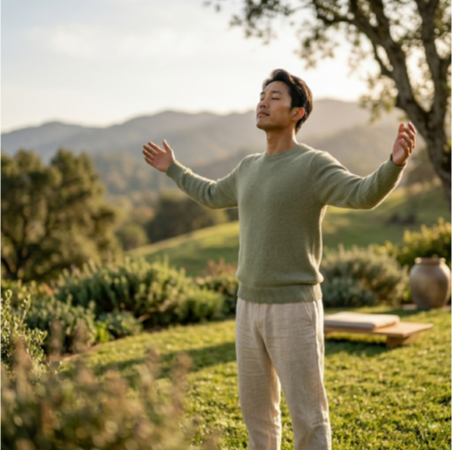
Mindfulness in Movement
Gentle, accessible movements help release tension and complete stress responses that may have remained unresolved in the body. These movements are designed to support nervous system flexibility rather than physical performance.

Sound and Vibration Practices
Simple vocalization and sound practices can help stimulate the vagus nerve and deepen the body’s ability to move toward regulation and connection.

Integrative Rest
Deep rest is an essential part of nervous system healing. This portion of the class allows your body to integrate the practices and anchor new states of calm and safety.

Meditation and Inner Awareness
The experience concludes with guided mindfulness and meditation practices that support presence, emotional awareness, and a deeper connection with your internal experience.


When your nervous system learns how to move out of survival mode more easily, many areas of your life begin to shift.
Not because you are forcing change — but because your body is no longer stuck in constant protection.
Small moments in daily life start to feel different.
You May Notice Changes Like These

You fall asleep more easily and wake up feeling more rested
Instead of lying awake with racing thoughts or waking in the middle of the night, your body begins to settle more naturally into restorative sleep.
Your body feels less tense and reactive
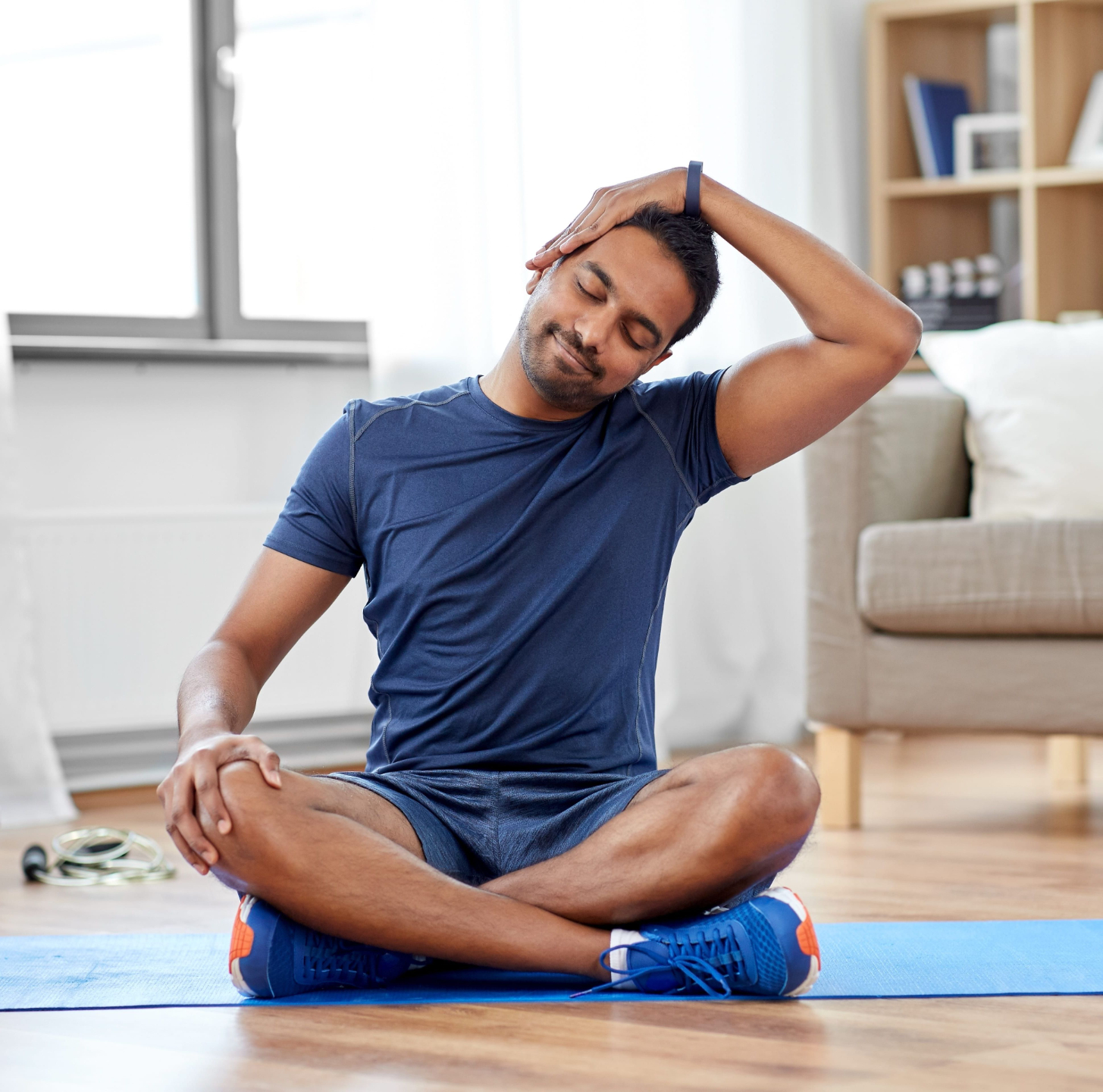
The tight shoulders, clenched jaw, shallow breathing, and constant sense of urgency begin to soften as your nervous system learns how to return to balance.

You feel calmer in situations that used to trigger you
Instead of reacting with anxiety, anger, or shutdown, you begin noticing a pause — a moment where you can respond with more clarity and choice..

You feel more present and connected
Conversations feel easier. You can listen and engage without feeling overwhelmed or emotionally flooded.

Your mind feels clearer
When the nervous system is not constantly scanning for danger, your brain has more energy available for focus, creativity, and decision-making.

You begin to feel safer inside your own body
Instead of feeling disconnected, numb, or on edge, you experience moments of groundedness and stability.

Stressful moments become easier to navigate
Rather than staying stuck in stress for hours or days, your nervous system learns how to recover and return to baseline more quickly.
Over Time, This Builds Resilience
Resilience does not mean never experiencing stress. It means your nervous system has the flexibility to move through stress and return to balance.
When your nervous system becomes more flexible, you begin to experience:
- Greater emotional stability
- Better sleep and physical recovery
- More ease in relationships
- Improved concentration and clarity
- A deeper sense of calm and safety in your body
This is what nervous system regulation makes possible.



What Can Shift in Just 90 Minutes?
Real Experiences from Stress Response Reset Participants
Before the class I felt tense. Afterward I felt less tense and more connected to my body. The body work exercises were excellent — the body scan and the movements to activate the fascia stayed with me most.
What set it apart from other classes was that there was less pressure and judgment. Paula is a gentle and knowledgeable teacher, her space is comfortable, and she accommodated people with different body needs. It was absolutely worth my time — I'd especially recommend it to anyone who feels disconnected from their body, and to trauma survivors.
I came into this class feeling tense and anxious — a lot of fear and anxiety sitting in my body. The practices with tapping and shaking helped me feel more connected and calm, and by the end I just felt more grounded overall.
What made it different from other yoga or wellness classes was how educational and mindful it was. It was really a workshop — I learned about my vagus nerve and how to actually manage it, alongside the peaceful silence and the physical practice of the asanas. I loved how much information was woven in while it still stayed slow and still enough to be fully present.
This class was calming and restorative — I'd recommend it for anyone going through something traumatic, or just dealing with high anxiety and needing recovery and grounding. Go into it with an open mind and prepare to relax.
Before this class, I felt shut down, low energy, and disconnected from my body. Afterward, I felt more grounded, calm, and had more energy. This class has helped me learn to be more grounded, connected more to my body, and present in the moment.
The most valuable parts were the new techniques, breathwork, safe space, and relaxing vibe. What made this different was that it was a smaller class where I could go at my own pace with no judgment.
I would recommend this class to anyone who wants to feel more grounded, connected to their body, and present. It was a really good experience.
Moving my stiff body was the most valuable part for me. My upper back felt some release, and by the end of class I felt more present and grounded instead of stressed and tense. I really liked stretching in new ways—it was interesting, and honestly, moving in new ways just felt good.
It’s an informative class, quite helpful, and a real mind & body pick-me-up. I’d recommend it to anyone feeling stressed or overwhelmed.
The most valuable part of this class was the explanation and discussion throughout the movement patterns and the breathwork along with it. I felt relaxed, focused, and interested during the class, and left feeling calm and more connected to my body.
It also helped me understand my nervous system in a new way. Overall, the experience was very positive. Paula is very knowledgeable, and I would recommend this to anyone working a stressful job or feeling stuck.
Prior to the class, I felt anxious, overwhelmed, stressed, tense, and shut down, with low energy and body aches. This class helped me feel calm, relaxed, more present and grounded, and more connected to my body. I was able to focus and learned tools to navigate stress, especially through the breathing, gentle movement, and guided awareness.
The educational part really helped me understand my nervous system significantly, which made this feel different from typical yoga. I would describe the experience as soothing. I believe it will make a difference on how you respond to trauma, and I would recommend it to someone feeling depressed or anxious.
90-Minute Guided Nervous System Reset
A trauma-informed therapeutic yoga experience designed to help your body shift from stress activation into a more regulated and grounded state.
Science-Backed Nervous System Education
Understand how stress patterns develop in the body and learn how to begin working with your nervous system instead of fighting it.

Practical Regulation Tools You Can Use Immediately
Learn simple breathing, movement, and awareness practices you can use anytime stress, anxiety, or overwhelm arise.
A Safe and Supportive Practice Environment
Experience these tools in a calm, trauma-informed space that emphasizes safety, choice, and nervous system awareness.

If you were to work with me one-on-one, a single psychotherapy session typically costs over $200.
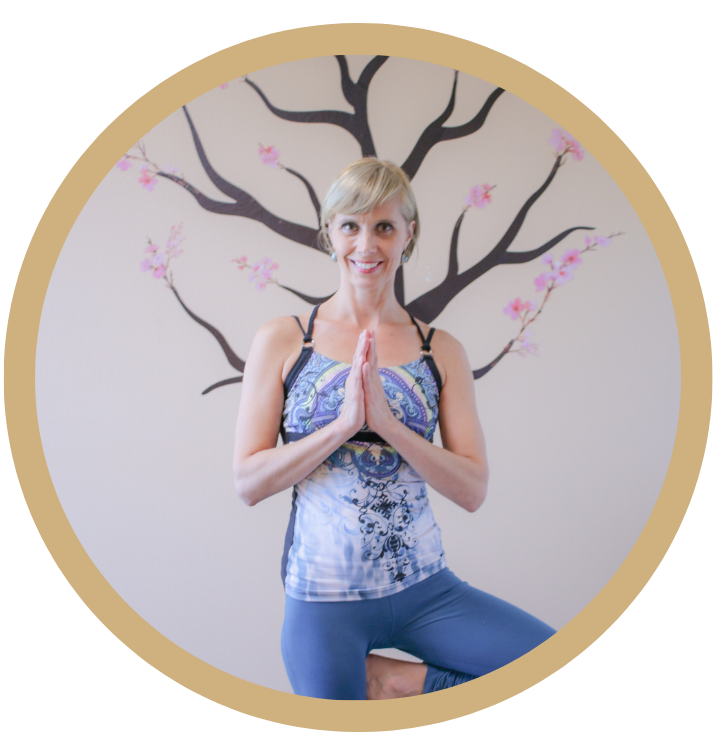
While this class is not therapy, it is guided by a licensed mental health professional and trauma specialist who integrates psychotherapy, mindfulness meditation, and therapeutic yoga to support nervous system healing.
I created Stress Response Reset because over the years I’ve seen how chronic stress, emotional habits, and nervous system patterns quietly shape the way we experience our lives — often without us realizing it.
That’s why I don’t simply guide you through movements or breathing exercises.
I help you understand what is happening beneath the surface — and how to begin shifting those patterns in ways that support regulation, resilience, and long-term well-being.
I also stay current on the latest neuroscience and trauma-informed approaches, translating that knowledge into practical tools you can apply immediately.
- No complicated theory
- No overwhelming research
- Just clear guidance to help your body begin remembering how to regulate again
This class is designed to give you a safe and accessible place to begin.

I am deeply committed to creating a safe and supportive space where you can explore nervous system regulation through mindfulness, movement, and therapeutic yoga.
If you attend the Stress Response Reset class and genuinely feel that the experience was not supportive or valuable for you, simply send an email to [email protected] within 14 days after the class, and I will happily refund your registration.
- No hoops to jump through
- No guilt
- No questions asked
If the only thing standing between you and this experience is the wondering:
“What if this isn’t right for me?”
“Can I really trust this to help me feel calmer, more grounded, and more connected to my body?”
I invite you to trust your curiosity and give yourself the opportunity to experience it.
My intention is to create a space that supports learning, healing, and nervous system awareness. If it turns out this class is not the right fit for you at this moment, I fully honor that.
Space is limited to keep the experience supportive and personal.

When You Join the Stress
Response Reset
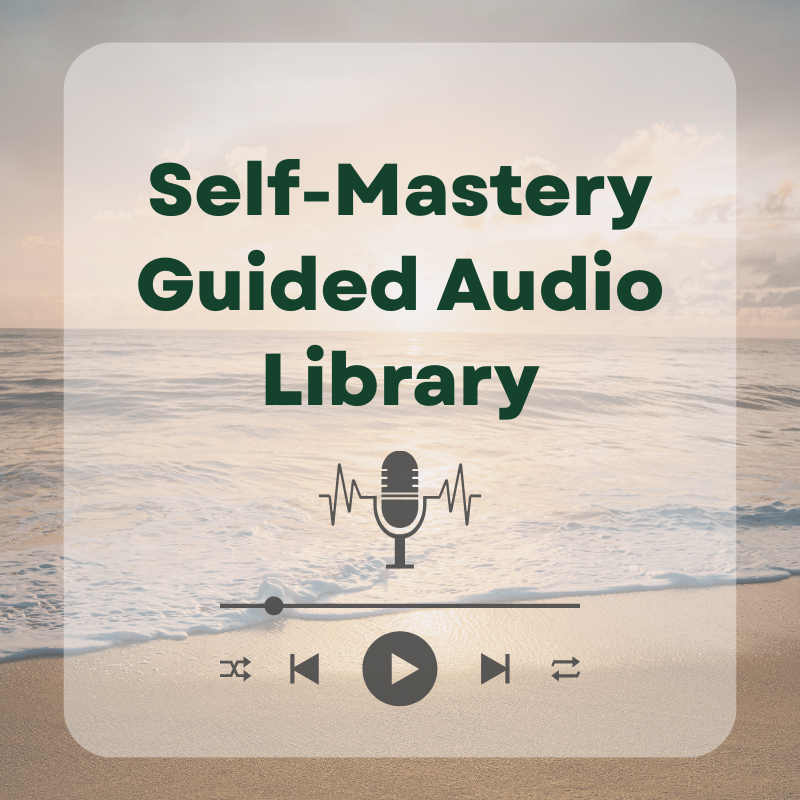
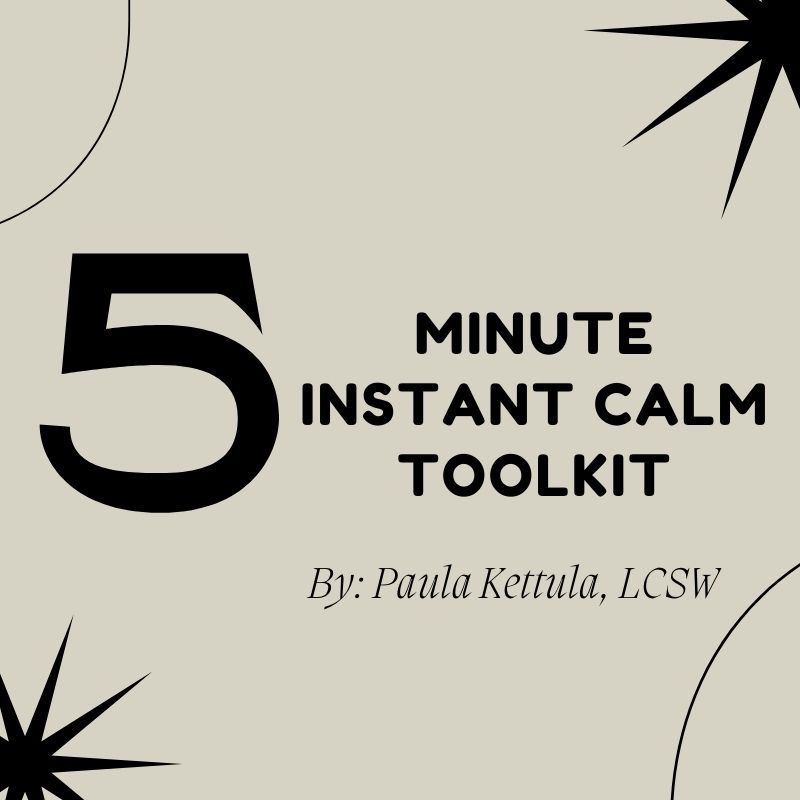
To help you continue supporting your nervous system beyond the class itself, you will also receive the following resources designed to help you integrate what you learn into everyday life.


Let Me Break It Down For You
When you join the Stress Response Reset, you’re not just attending a single yoga class — you’re stepping into a guided, trauma-informed nervous system reset experience designed to help you release stress, reconnect with your body, and begin building skills for emotional regulation.
Along with the class itself, you’ll also receive $70 worth of additional resources designed to help you continue supporting your nervous system beyond the session.
A typical therapeutic yoga or nervous system regulation session can cost $100+.
But here you’re receiving the full experience plus $70 worth of additional resources to support your continued practice.
- 💡 Total Value: Up to $135
- 💰 Your Investment Today: $65 in person or $45 live online
- 🌱 You’ll leave with practical skills and resources to support your nervous system long after the class is over.
What You Would Normally Pay
Up To $135 Total Value
Your Investment Today
$65 in person • $45 live online
Choose Your Class Format
In Studio
$65
Join me in the studio in San Diego, Hillcrest—a beautifully curated space for healing, where you can step away from everyday demands and allow your mind, body, and nervous system to reset.
Only 7 seats.
Live Online
$45
Join me live on Zoom from wherever you are, and experience the same compassionate guidance, nervous system education, and practical tools—all from the comfort of your own home. Your camera is always optional.
Limited to 15.
Both formats include the full 90-minute class, all three bonus resources, and the 14-day no-questions-asked guarantee.



Porta Verum Psychotherapy Services has been recognized as one of the Top 10 Businesses in the 92103 Zip Code for 2025, based on verified Google reviews and client satisfaction.
We are honored to serve the San Diego community with compassionate, evidence-based psychotherapy and deeply value the trust our clients place in us.
Frequently Asked Questions
About the Class
Is this class beginner-friendly?
Is this therapy or group therapy?
Is this trauma-informed?
What if I feel emotionally overwhelmed during class?
Will I be asked to share about my trauma?
What if I’m not flexible?
Is this a workout?
Will there be meditation?
Do I have to close my eyes?
What if I have an injury or chronic pain?
How long is the class?
Attending In Person
Where is the class held?
Where do I park?
What should I wear and bring?
What if I arrive late?
Will there be physical touch or hands-on adjustments?
Are gender-neutral restrooms available?
Is the space scent-free?
Is the space ADA accessible?
Attending Live Online
Do I have to be on camera?
What if something difficult comes up during class?
How much space do I need at home?
What do I need to have with me?
Is the class recorded?
How do I get the Zoom link?
What if my internet drops during class?
Give Your Nervous System the Reset It Deserves
Stress builds up in the body over time.
With the right support, it can also release and settle.
Join the Stress Response Reset Therapeutic Yoga Class and experience gentle, trauma-informed movement designed to help your body shift out of survival mode and back into calm and balance.
Attend in the way that works best for you:
Join me in person in Hillcrest, San Diego, or live online from anywhere.
Monday, November 2, 2026 | 6:00 – 7:30 PM Pacific
Only 7 in-person spots · Live online limited to 15

YOUR BODY KNOWS IT'S TIME TO RESET!
00
DAYS
00
HOURS
00
MINS
00
SECS